Edge Computing for Web Apps
Discover how edge computing enhances web application performance and reduces latency. Learn about its role in modern web development and how it can benefit your
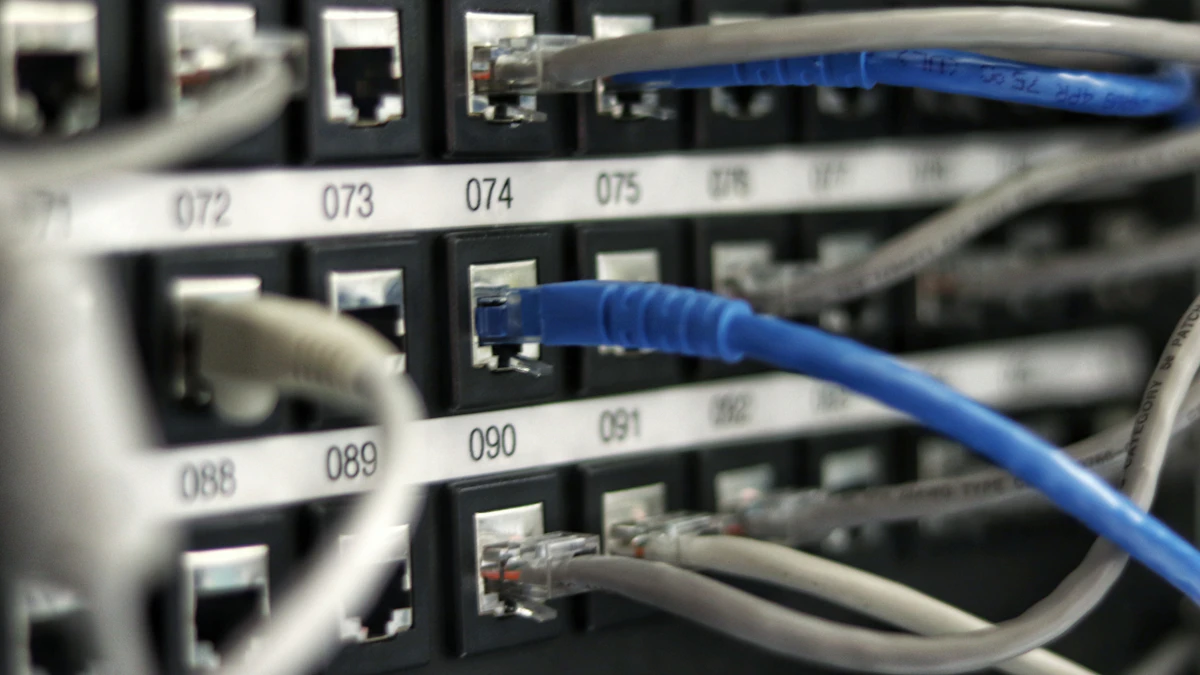
Photo by Jordan Harrison on Unsplash
As a web designer and developer based in Woodstock, GA, I've seen firsthand the impact of latency on user experience. In a recent project for a cabinetry client in Atlanta, we noticed that users were abandoning the site due to slow loading times. This experience led me to explore the role of edge computing in enhancing web application performance and reducing latency. In this article, we'll delve into the world of edge computing and its benefits for modern web development.
Introduction to Edge Computing
Edge computing refers to the practice of processing data at the edge of a network, closer to the source of the data. This approach reduces the amount of data that needs to be transmitted to a central server, resulting in lower latency and faster processing times. In the context of web development, edge computing can be used to cache frequently accessed resources, such as images and videos, and to process user requests in real-time.
For example, a website that uses edge computing can cache its homepage in multiple locations around the world. When a user visits the site, their request is routed to the nearest edge server, which can then serve the cached content directly to the user. This approach can reduce latency by up to 50% compared to traditional cloud-based architectures.
Benefits of Edge Computing for Web Applications
So, how can edge computing benefit your web application? For starters, it can significantly reduce latency and improve user experience. By processing user requests at the edge of the network, you can reduce the time it takes for users to interact with your site. This can lead to higher engagement rates, increased conversions, and improved customer satisfaction.
In addition to reducing latency, edge computing can also improve the security of your web application. By processing user requests at the edge, you can reduce the attack surface of your site and protect against common web vulnerabilities, such as SQL injection and cross-site scripting (XSS).
Real-World Examples of Edge Computing
Edge computing is not just a theoretical concept; it's being used in real-world applications today. For example, restaurant web design can benefit from edge computing by caching menus, images, and other frequently accessed resources. This can improve the user experience and reduce the load on the central server.
Implementing Edge Computing in Your Web Application
So, how can you implement edge computing in your web application? One approach is to use a content delivery network (CDN) that supports edge computing. A CDN can cache your content in multiple locations around the world and serve it directly to users from the nearest edge server.
Another approach is to use a cloud provider that offers edge computing services, such as AWS Lambda or Google Cloud Functions. These services allow you to run code at the edge of the network, closer to the user, and can be used to process user requests in real-time.
// Example of edge computing using AWS Lambda

exports.handler = async (event) => {

  const response = {

    statusCode: 200,

    body: JSON.stringify('Hello from the edge!'),

  };

  return response;

};
Best Practices for Edge Computing
When implementing edge computing in your web application, there are several best practices to keep in mind. First, make sure to choose a CDN or cloud provider that supports edge computing and has a robust network of edge servers.
Second, optimize your content for edge caching by using techniques such as code splitting and lazy loading. This can help reduce the amount of data that needs to be transmitted to the edge server and improve the overall performance of your site.
Common Challenges and Limitations
While edge computing offers many benefits, it's not without its challenges and limitations. One common issue is the complexity of managing and updating content across multiple edge servers. This can be mitigated by using a CDN or cloud provider that offers automated content updates and synchronization.
Conclusion and Next Steps
In conclusion, edge computing is a powerful technology that can enhance web application performance and reduce latency. By processing data at the edge of the network, closer to the user, you can improve the user experience and increase engagement rates.
If you're interested in learning more about edge computing and how it can benefit your web application, I encourage you to reach out to me for a consultation. I'd be happy to discuss your options and help you implement edge computing in your next project.
Thanks for reading, and I look forward to sharing more insights on web development and technology in future articles. Don't forget to check out my other articles on web design across Georgia and my background and experience as a web designer and developer.


Comments 0
Be the first to comment.