Full-Stack Web Development Roadmap 2025: A Comprehensive Guide
Welcome to our Ultimate Guide on the Full-Stack Web Development Roadmap for 2025. This comprehensive guide aims to provide an insightful and detailed…
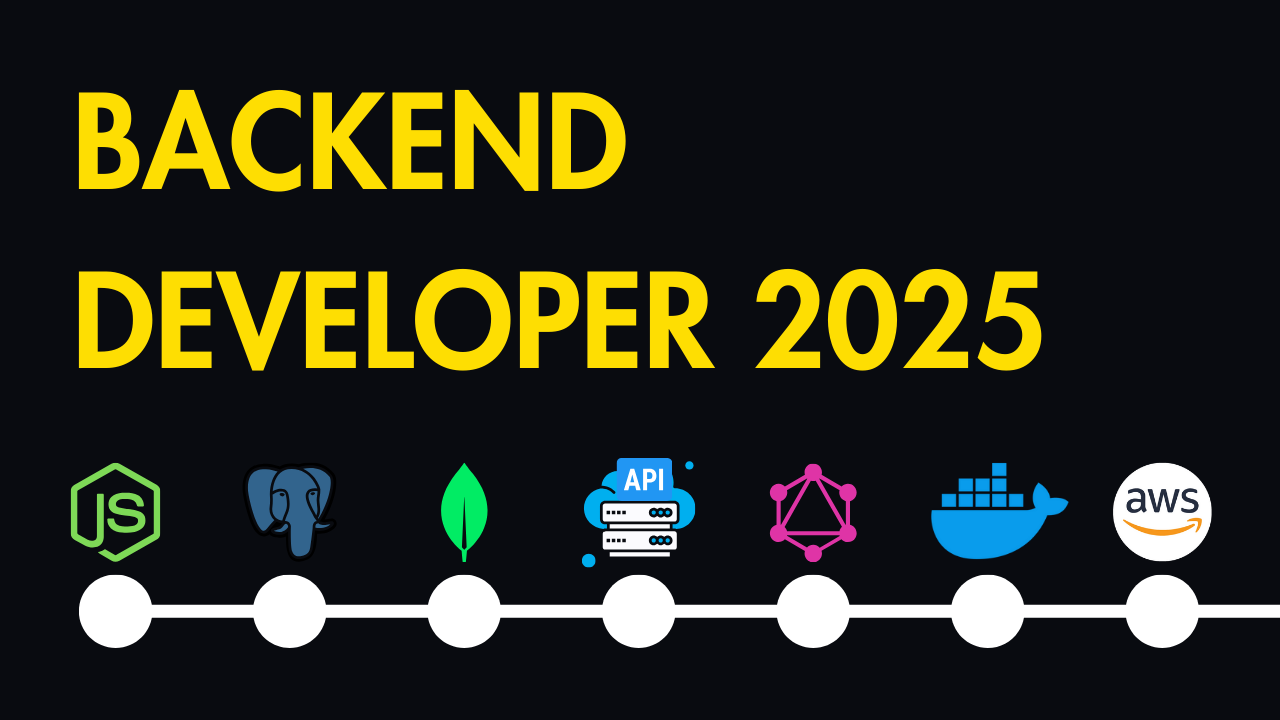

Introduction
Welcome to our Ultimate Guide on the Full-Stack Web Development Roadmap for 2025. This comprehensive guide aims to provide an insightful and detailed overview of the skills, technologies, and trends that will shape the world of web development in the coming years.
What is Full-Stack Web Development?
Full-stack development refers to the ability to design, develop, and maintain both front-end (client-side) and back-end (server-side) aspects of web applications. A full-stack developer is proficient in multiple programming languages, tools, and frameworks, enabling them to handle an entire project from conception to deployment.
Essential Skills for Full-Stack Web Development in 2025
Front-End Technologies
- HTML5: The latest version of HTML is essential for structuring web pages.
- CSS3: Mastery of CSS is crucial for styling and laying out web pages effectively.
- JavaScript ES6+: Familiarity with the latest features of JavaScript, such as arrow functions, promises, and modules, will be vital in 2025.
- React: This popular front-end framework allows for efficient component-based development and is backed by Facebook.
Back-End Technologies
- Node.js: A powerful, server-side JavaScript runtime environment that has gained significant popularity in recent years.
- Express.js: This popular Node.js framework simplifies the process of building web applications and APIs.
- GraphQL: A query language for APIs that offers a more efficient and flexible alternative to REST.
Databases and Web Services
- MongoDB: A popular NoSQL database that stores data in JSON-like documents, making it a great choice for dynamic web applications.
- REST and GraphQL APIs: Knowledge of designing, building, and consuming APIs is essential for integrating with various services and data sources.
DevOps and Cloud Computing
Familiarity with DevOps practices and cloud computing platforms will become increasingly important:
- Docker: This containerization technology allows for efficient packaging, distribution, and deployment of applications.
- Kubernetes: An open-source platform for automating the deployment, scaling, and management of containerized applications.
- AWS, Google Cloud Platform (GCP), Microsoft Azure: Knowledge of these leading cloud platforms will be crucial for deploying and maintaining web applications at scale.
FAQs
What is the best way to learn full-stack development in 2025?
A combination of online courses, hands-on projects, and practice is recommended for learning full-stack web development effectively.
Is a degree necessary for becoming a full-stack developer?
While a degree can provide a solid foundation, it's not always required. Many successful full-stack developers are self-taught or have gained their skills through bootcamps and online resources.



Comments 0
Be the first to comment.