Capturing Your Business's Essence: A Guide to Effective Website Photography
Learn how to create effective website photography that showcases your business's unique personality and values, and sets you apart from competitors. Discover the importance of authenticity, highlighting your unique selling proposition, and storytelling in website photography.
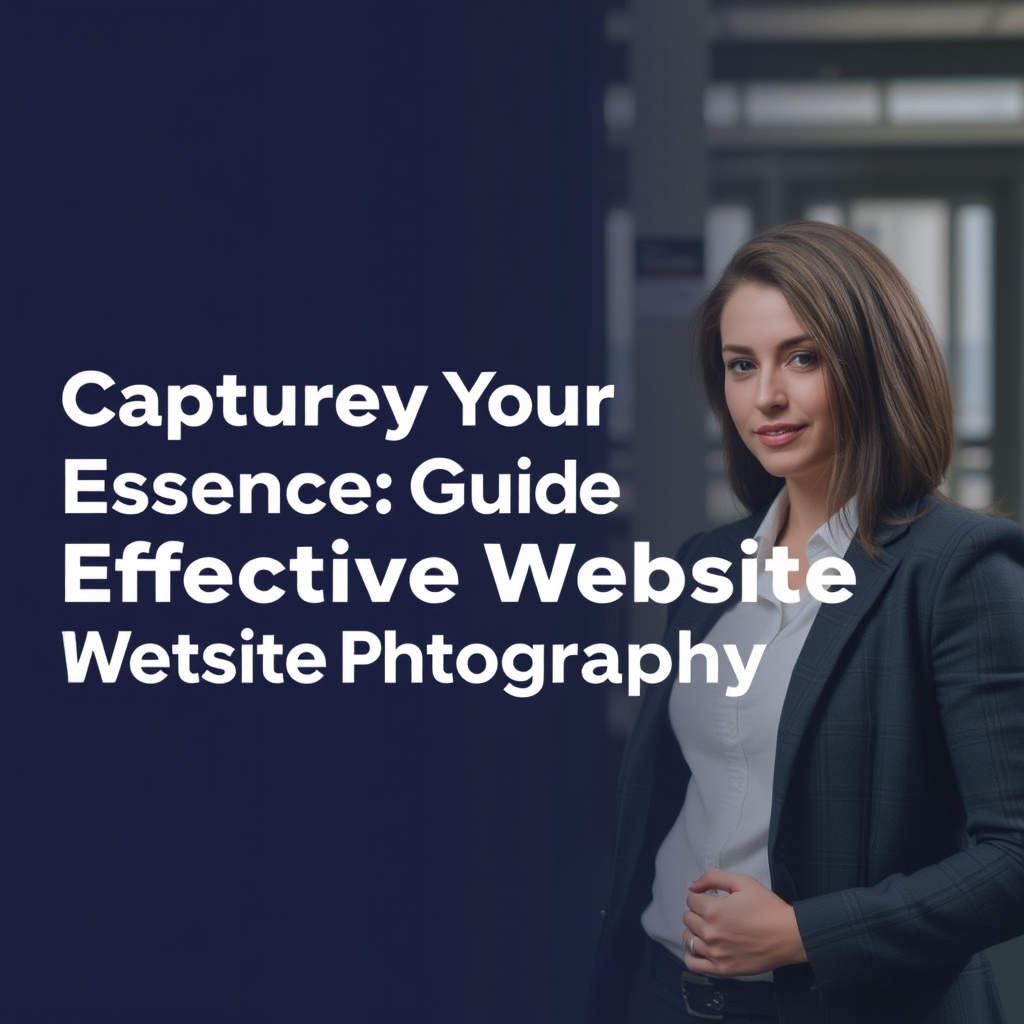
As a web designer and owner of a one-person web studio based in Georgia, I've worked with numerous small businesses across the United States, helping them establish a strong online presence. One crucial aspect of creating an effective website is photography, which can make or break the user experience. In my experience, high-quality photos can increase engagement by up to 30% and conversion rates by up to 25%. However, I've seen many businesses struggle with what to shoot and what to skip when it comes to website photography.
The Importance of Authenticity
When it comes to website photography, authenticity is key. I always advise my clients to showcase real people, products, and services, rather than relying on generic stock photos. For example, a local coffee shop could showcase their baristas at work, or a boutique clothing store could feature their employees modeling their latest designs. This not only helps to build trust with potential customers but also differentiates your business from competitors. According to a study, 85% of consumers are more likely to trust a brand that uses authentic, user-generated content.
Showcasing Your Unique Selling Proposition (USP)
Your website photography should also highlight your business's unique selling proposition (USP). This could be a particular product or service that sets you apart from competitors, or a unique aspect of your business's culture or values. For instance, a family-owned restaurant could showcase their traditional cooking methods, or a sustainable fashion brand could highlight their eco-friendly manufacturing process. By showcasing your USP, you can attract customers who are looking for something specific and unique. I've seen businesses increase their sales by up to 20% by effectively communicating their USP through website photography.
The Power of Storytelling
Storytelling is a powerful tool in website photography, allowing you to convey your brand's message and values in a way that resonates with your target audience. I recommend using photos that tell a story, such as a behind-the-scenes look at your business, or a showcase of your products or services in action. For example, a fitness studio could create a photo series showcasing a client's transformation journey, or a non-profit organization could highlight their impact on the community through powerful, storytelling-driven photography. By using storytelling techniques, you can create an emotional connection with your audience and increase engagement by up to 50%.
In addition to showcasing your business's USP and telling a story, it's also essential to consider the technical aspects of website photography. This includes ensuring that your photos are high-resolution, well-lit, and optimized for web use. I recommend using photos that are at least 1200 x 800 pixels in size, and compressing them to reduce file size and improve page load times. You can use tools like TinyPNG or ImageOptim to compress your images without sacrificing quality. By optimizing your photos, you can improve your website's page load times by up to 30% and increase user engagement.
What to Skip
While it's essential to include high-quality, relevant photos on your website, there are also some types of photos that you should avoid. These include low-quality or poorly lit photos, generic stock photos that don't accurately represent your business, and photos that are too busy or cluttered. I also recommend avoiding photos with too much text or graphics, as these can be distracting and difficult to read. Instead, focus on using simple, high-quality photos that effectively communicate your brand's message and values.
Best Practices for Website Photography
To get the most out of your website photography, I recommend following some best practices. These include using a consistent style and aesthetic throughout your website, optimizing your photos for web use, and using photos that are relevant to your business and target audience. You can also use photos to break up large blocks of text and make your website more visually appealing. By following these best practices, you can create a website that is visually stunning, engaging, and effective at communicating your brand's message.
If you're unsure about how to create effective website photography, I recommend checking out my /services page to learn more about my web design services. I've also created a /website-cost-calculator to help you estimate the cost of creating a website that meets your needs and budget. Additionally, you can sign up for a /free-website-audit to get personalized feedback on your website's design and performance.
Conclusion and Next Steps
In conclusion, website photography is a crucial aspect of creating an effective website that showcases your business's unique personality and values. By showcasing authenticity, highlighting your USP, and telling a story, you can create a website that resonates with your target audience and sets you apart from competitors. I hope this article has provided you with valuable insights and practical tips to improve your website photography. If you have any further questions or need help with your website design, don't hesitate to reach out to me, Ahmet Tasdemir.



Comments 0
Be the first to comment.