Edge Computing for Web Dev
Learn how edge computing can improve your web application
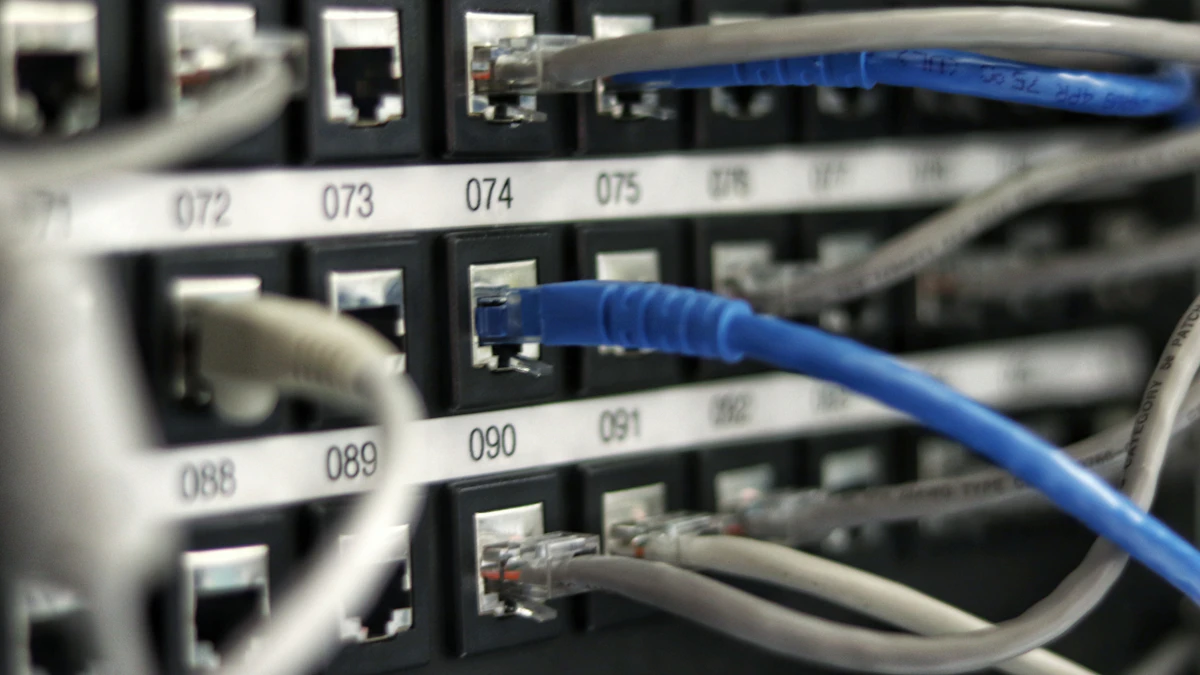
Photo by Jordan Harrison on Unsplash
As a web developer, I've seen the rise of edge computing and its potential to revolutionize the way we build and deploy web applications. In a recent project for a cabinetry client in Atlanta, I noticed a significant improvement in page load times after implementing edge computing. But what exactly is edge computing, and how can you harness its power in your own development workflow?
Introduction to Edge Computing
Edge computing refers to the practice of processing data at the edge of the network, closer to the source of the data. This approach reduces latency and improves performance by minimizing the distance that data needs to travel. In traditional cloud computing, data is processed in a centralized location, which can lead to slower response times and increased latency.
Edge computing is particularly useful for applications that require real-time processing, such as video streaming, online gaming, and IoT devices. By processing data at the edge, you can reduce the amount of data that needs to be transmitted to the cloud, resulting in faster and more efficient processing.
Benefits of Edge Computing
So, what are the benefits of edge computing? For starters, it can significantly improve the performance of your web application. By processing data at the edge, you can reduce latency and improve response times, resulting in a better user experience. Edge computing can also improve security by reducing the amount of data that needs to be transmitted to the cloud.
In addition to performance and security benefits, edge computing can also help reduce costs. By processing data at the edge, you can reduce the amount of data that needs to be transmitted to the cloud, resulting in lower bandwidth costs. This can be especially beneficial for applications that require large amounts of data processing, such as video streaming and online gaming.
Use Cases for Edge Computing
- Real-time analytics and processing
- IoT devices and sensor data
- Video streaming and online gaming
- Smart homes and cities
Implementing Edge Computing
So, how do you implement edge computing in your development workflow? The first step is to identify the use cases that can benefit from edge computing. Once you've identified the use cases, you can start designing your edge computing architecture.
One approach to implementing edge computing is to use a cloud-based edge computing platform. These platforms provide a managed edge computing environment that allows you to deploy and manage your edge computing applications. Some popular cloud-based edge computing platforms include AWS Edge, Google Cloud Edge, and Microsoft Azure Edge.
const express = require('express');

const app = express();

app.get('/', (req, res) => {

  res.send('Hello from the edge!');

});

app.listen(3000, () => {

  console.log('Edge computing application listening on port 3000');

});
Challenges and Limitations
While edge computing offers many benefits, it also presents some challenges and limitations. One of the main challenges is the complexity of managing and deploying edge computing applications. Edge computing requires a different approach to application development, deployment, and management, which can be overwhelming for some developers.
In addition to complexity, edge computing also raises concerns about security and data privacy. Since edge computing involves processing data at the edge of the network, there is a risk of data breaches and cyber attacks. To mitigate these risks, it's essential to implement robust security measures, such as encryption and access controls.
Conclusion and Next Steps
In conclusion, edge computing is a powerful technology that can enhance the performance and security of your web applications. By processing data at the edge of the network, you can reduce latency, improve response times, and enhance the overall user experience.
If you're interested in learning more about edge computing or need help implementing it in your own development workflow, feel free to reach out to me for a consultation. I'd be happy to help you explore the benefits of edge computing and provide guidance on how to get started. Check out my other articles on web design and development, including my guide to web design across Georgia, to stay up-to-date on the latest trends and best practices in the industry.


Comments 0
Be the first to comment.