E-Commerce Customer Experience
Enhance your e-commerce customer experience with omnichannel retailing and unified commerce strategies. Learn how to provide a seamless and personalized experie
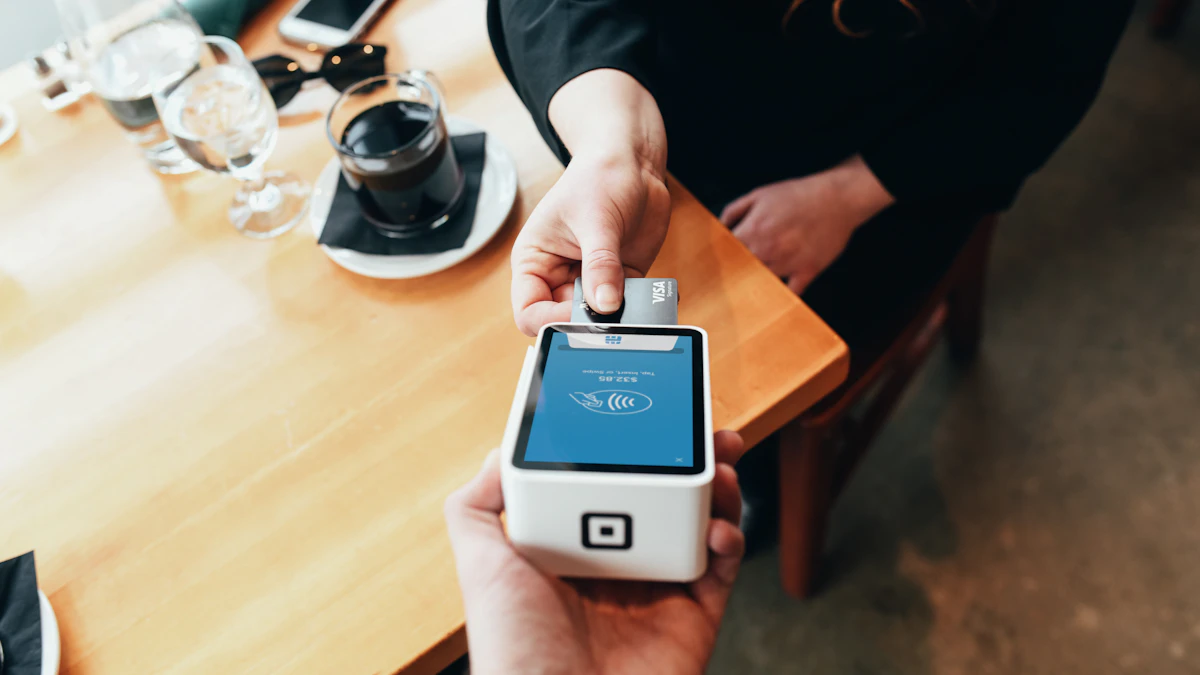
Photo by Blake Wisz on Unsplash
In 2026, e-commerce businesses must prioritize customer experience to stay competitive. With the rise of online shopping, customers expect a seamless and personalized experience across all channels. As a web designer and developer based in Atlanta, Georgia, I've seen firsthand how a well-designed e-commerce website can make all the difference. In this article, we'll explore the importance of omnichannel retailing and unified commerce strategies in enhancing e-commerce customer experiences.
Omnichannel Retailing: What is it and Why is it Important?
Omnichannel retailing refers to the practice of providing a seamless and integrated shopping experience across all channels, including online, offline, and mobile. This approach recognizes that customers interact with brands through multiple touchpoints and aims to provide a consistent and personalized experience across all of them. By adopting an omnichannel approach, e-commerce businesses can increase customer engagement, loyalty, and ultimately, drive sales.
For example, a customer may start their shopping journey by browsing products on a website, then visit a physical store to try out the product, and finally make a purchase through a mobile app. An omnichannel retailing strategy would ensure that the customer's experience is seamless and consistent across all these touchpoints.
Benefits of Omnichannel Retailing
- Increased customer engagement and loyalty
- Improved customer experience and satisfaction
- Increased sales and revenue
- Better customer insights and data analysis
Unified Commerce: The Key to a Seamless Customer Experience
Unified commerce refers to the integration of all commerce channels, including online, offline, and mobile, into a single platform. This approach enables businesses to manage all their commerce operations from a single platform, providing a unified view of customers, inventory, and sales. By adopting a unified commerce strategy, e-commerce businesses can provide a seamless and personalized experience across all channels.
In a recent project for a cabinetry client in Atlanta, we implemented a unified commerce platform that integrated their e-commerce website, physical stores, and mobile app. The result was a significant increase in sales and customer satisfaction, as customers were able to easily find and purchase products across all channels.
Benefits of Unified Commerce
- Single view of customer, inventory, and sales
- Seamless and personalized experience across all channels
- Improved inventory management and fulfillment
- Enhanced customer insights and data analysis
Implementing Omnichannel Retailing and Unified Commerce Strategies
Implementing omnichannel retailing and unified commerce strategies requires a thorough understanding of customer behavior, preferences, and pain points. It also requires the integration of multiple systems, including e-commerce platforms, CRM, inventory management, and analytics tools.
As a web designer and developer, I recommend starting with a thorough analysis of your customer data and behavior. This will help you identify areas where you can improve the customer experience and provide a more personalized and seamless experience across all channels.
// Example of customer data analysis using Google Analytics

   ga('create', 'UA-XXXXX-X', 'auto');

   ga('send', 'pageview');
Best Practices for Enhancing E-Commerce Customer Experience
To enhance the e-commerce customer experience, businesses should focus on providing a personalized, seamless, and consistent experience across all channels. This can be achieved by implementing the following best practices:
- Use customer data and analytics to personalize the experience
- Provide a seamless and integrated experience across all channels
- Offer flexible payment and shipping options
- Ensure consistent branding and messaging across all channels
For more information on how to enhance your e-commerce customer experience, check out our web design services or contact us to get a quote.
Conclusion
In conclusion, enhancing e-commerce customer experience is crucial for businesses to stay competitive in 2026. By adopting omnichannel retailing and unified commerce strategies, businesses can provide a seamless and personalized experience across all channels, driving customer engagement, loyalty, and sales. If you need help enhancing your e-commerce customer experience, don't hesitate to contact us. We'd be happy to help you improve your online presence and provide a better experience for your customers.
At Ahmet Tasdemir, we're committed to helping businesses succeed in the digital age. Check back soon for more articles on e-commerce, web design, and digital marketing.


Comments 0
Be the first to comment.