Maximizing E-Commerce Sales
Boost e-commerce sales with AI-powered product recommendation engines and personalized merchandising strategies. Learn from expert insights and real-world examp

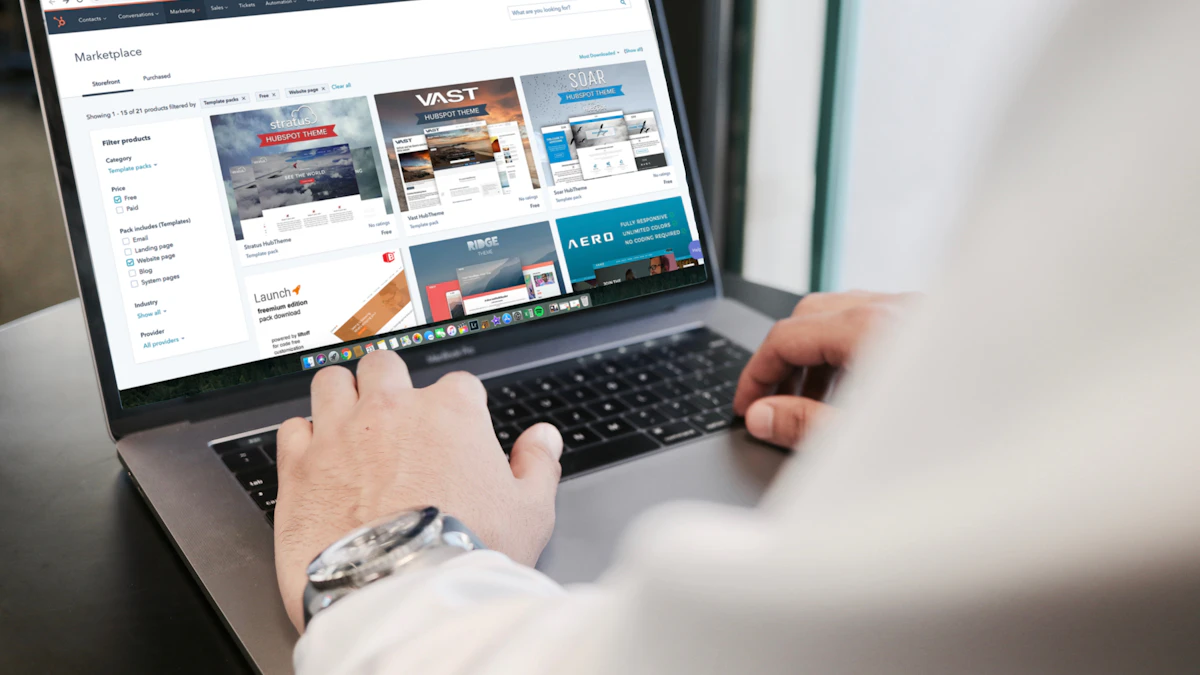
Photo by Tim van der Kuip on Unsplash
As an e-commerce business owner in Atlanta or anywhere in Georgia, you're constantly looking for ways to increase sales and stay ahead of the competition. One effective strategy to achieve this is by leveraging AI-powered product recommendation engines and personalized merchandising strategies. In this article, we'll delve into the world of e-commerce optimization, exploring how these tools can enhance your customers' shopping experience and drive conversions.
Understanding AI-Powered Product Recommendation Engines
AI-powered product recommendation engines use machine learning algorithms to analyze customer behavior, preferences, and purchase history to suggest relevant products. This technology has become increasingly sophisticated, allowing for real-time recommendations that adapt to individual customer interactions. For instance, if a customer is browsing through your online store for kitchen cabinets, the recommendation engine can suggest complementary products such as countertops or flooring, thereby increasing the average order value.
In a recent project for a cabinetry client in Atlanta, we implemented an AI-powered recommendation engine that resulted in a noticeable increase in sales. The engine analyzed customer interactions, such as search queries, page views, and purchase history, to provide personalized product suggestions. This not only enhanced the customer experience but also helped the business to cross-sell and upsell relevant products, ultimately boosting revenue.
Key Benefits of AI-Powered Product Recommendation Engines
- Personalized product suggestions based on customer behavior and preferences
- Real-time recommendations that adapt to individual customer interactions
- Increased average order value through cross-selling and upselling opportunities
Implementing Personalized Merchandising Strategies
Personalized merchandising involves tailoring your product offerings and marketing efforts to individual customer segments or preferences. This strategy can be particularly effective in e-commerce, where customers are often browsing through multiple products before making a purchase decision. By analyzing customer data and behavior, you can create targeted marketing campaigns, optimize product placement, and offer personalized promotions to increase conversions.
For example, if you have an e-commerce store selling kitchen cabinets, you can create targeted marketing campaigns for customers who have shown interest in modern or traditional designs. By offering personalized promotions, such as discounts or free shipping, you can incentivize customers to make a purchase, thereby increasing sales and revenue.
Best Practices for Personalized Merchandising
- Analyze customer data and behavior to identify preferences and patterns
- Create targeted marketing campaigns based on customer segments or preferences
- Optimize product placement and offer personalized promotions to increase conversions
Integrating AI-Powered Recommendation Engines with Personalized Merchandising
By integrating AI-powered product recommendation engines with personalized merchandising strategies, you can create a powerful e-commerce optimization approach. This involves using machine learning algorithms to analyze customer behavior and preferences, and then using that data to inform personalized marketing efforts and product offerings.
For instance, you can use the recommendation engine to identify customer preferences for certain products or brands, and then create targeted marketing campaigns to promote those products. By combining these strategies, you can create a seamless and personalized shopping experience that drives conversions and increases revenue.
Real-World Example: Kitchen Cabinet E-Commerce Store
A kitchen cabinet e-commerce store in Georgia can integrate AI-powered recommendation engines with personalized merchandising strategies to boost sales. By analyzing customer interactions and preferences, the store can offer personalized product suggestions, such as complementary countertops or flooring, and create targeted marketing campaigns to promote certain products or brands.
Measuring the Effectiveness of AI-Powered Recommendation Engines and Personalized Merchandising
To measure the effectiveness of AI-powered recommendation engines and personalized merchandising strategies, you need to track key performance indicators (KPIs) such as conversion rates, average order value, and customer satisfaction. By analyzing these metrics, you can refine your approach, identify areas for improvement, and optimize your e-commerce optimization strategy for better results.
In addition to tracking KPIs, you can also use tools like Google Analytics to monitor customer behavior and preferences, and adjust your marketing efforts accordingly. By combining data analysis with machine learning algorithms, you can create a powerful e-commerce optimization approach that drives conversions and increases revenue.
Common Challenges and Limitations
- Data quality and availability
- Algorithmic bias and complexity
- Integration with existing e-commerce platforms and systems
Conclusion and Next Steps
In conclusion, AI-powered product recommendation engines and personalized merchandising strategies can be powerful tools for e-commerce businesses looking to boost sales and stay ahead of the competition. By integrating these approaches, you can create a seamless and personalized shopping experience that drives conversions and increases revenue. If you're looking to optimize your e-commerce store and improve customer experience, consider reaching out to me for a consultation. I'd be happy to help you explore how AI-powered recommendation engines and personalized merchandising can benefit your business.
For more information on e-commerce optimization and web design, feel free to explore my website or learn more about my web design services in Georgia. I look forward to hearing from you and helping you achieve your e-commerce goals.


Comments 0
Be the first to comment.