E-Commerce Inventory Management
Streamline your e-commerce inventory management with real-time data synchronization and automated product updates. Learn how to optimize your inventory manageme
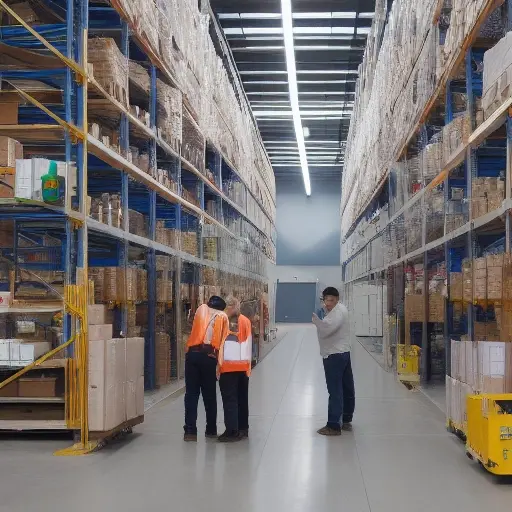
As an e-commerce business owner, managing your inventory effectively is crucial for delivering a seamless customer experience and staying ahead of the competition. In today's fast-paced online marketplace, having a robust inventory management system in place can make all the difference. In this article, we'll explore the importance of streamlining e-commerce inventory management with real-time data synchronization and automated product updates.
Introduction to E-Commerce Inventory Management
E-commerce inventory management involves tracking and managing the stock levels of products across various sales channels, including your website, social media, and online marketplaces. Effective inventory management helps you avoid stockouts, overstocking, and overselling, which can lead to lost sales, disappointed customers, and damaged reputation.
A well-designed inventory management system should provide real-time visibility into your stock levels, automate product updates, and enable seamless communication between different departments and stakeholders. This is where real-time data synchronization and automated product updates come into play.
Benefits of Real-Time Data Synchronization
Real-time data synchronization is the process of updating your inventory levels and product information across all sales channels simultaneously. This ensures that your customers see the most up-to-date product availability and pricing information, reducing the risk of overselling or stockouts.
The benefits of real-time data synchronization include improved inventory accuracy, reduced stockouts, and increased customer satisfaction. By having a single, unified view of your inventory, you can make informed decisions about product pricing, promotions, and replenishment.
Key Features of Real-Time Data Synchronization
- Automated product updates across all sales channels
- Real-time inventory level updates
- Unified view of inventory across all departments and stakeholders
Automated Product Updates
Automated product updates involve using software or algorithms to update product information, such as pricing, descriptions, and images, across all sales channels. This helps ensure that your product information is consistent and up-to-date, reducing the risk of errors or inconsistencies.
Automated product updates can be achieved through integration with your e-commerce platform, product information management (PIM) system, or enterprise resource planning (ERP) system. By automating product updates, you can save time and reduce the risk of human error.
// Example of automated product update using API

const api = 'https://example.com/api/products';

const productData = {

   'price': 19.99,

   'description': 'This is a product description'

};

fetch(api, {

   method: 'PUT',

   headers: {

      'Content-Type': 'application/json'

   },

   body: JSON.stringify(productData)

})

.then(response => response.json())

.then(data => console.log(data))

.catch(error => console.error(error));
Best Practices for Implementing Real-Time Data Synchronization and Automated Product Updates
Implementing real-time data synchronization and automated product updates requires careful planning and execution. Here are some best practices to keep in mind:
First, define your inventory management goals and objectives, such as improving inventory accuracy or reducing stockouts. Next, assess your current inventory management system and identify areas for improvement.
Then, select an e-commerce platform or inventory management software that supports real-time data synchronization and automated product updates. Finally, test and refine your system to ensure that it meets your business needs and goals.
Common Challenges and Solutions
One common challenge is integrating with multiple sales channels and marketplaces. To overcome this, consider using a unified commerce platform or a third-party integration service.
Another challenge is ensuring data consistency and accuracy across all sales channels. To address this, implement data validation and normalization processes to ensure that product information is consistent and accurate.
Conclusion and Next Steps
In conclusion, streamlining e-commerce inventory management with real-time data synchronization and automated product updates is crucial for delivering a seamless customer experience and staying ahead of the competition. By following the best practices outlined in this article, you can optimize your inventory management system for improved efficiency and customer satisfaction.
If you're looking to improve your e-commerce inventory management, consider consulting with a web design expert who can help you implement a robust and scalable inventory management system. For more information on web design across Georgia, visit our website. Whether you're a small business or a large enterprise, we can help you achieve your e-commerce goals. Feel free to get in touch with us to learn more about our services.



Comments 0
Be the first to comment.