Predictive Web Analytics
Learn how to use machine learning for predictive web analytics and user behavior forecasting to improve your website
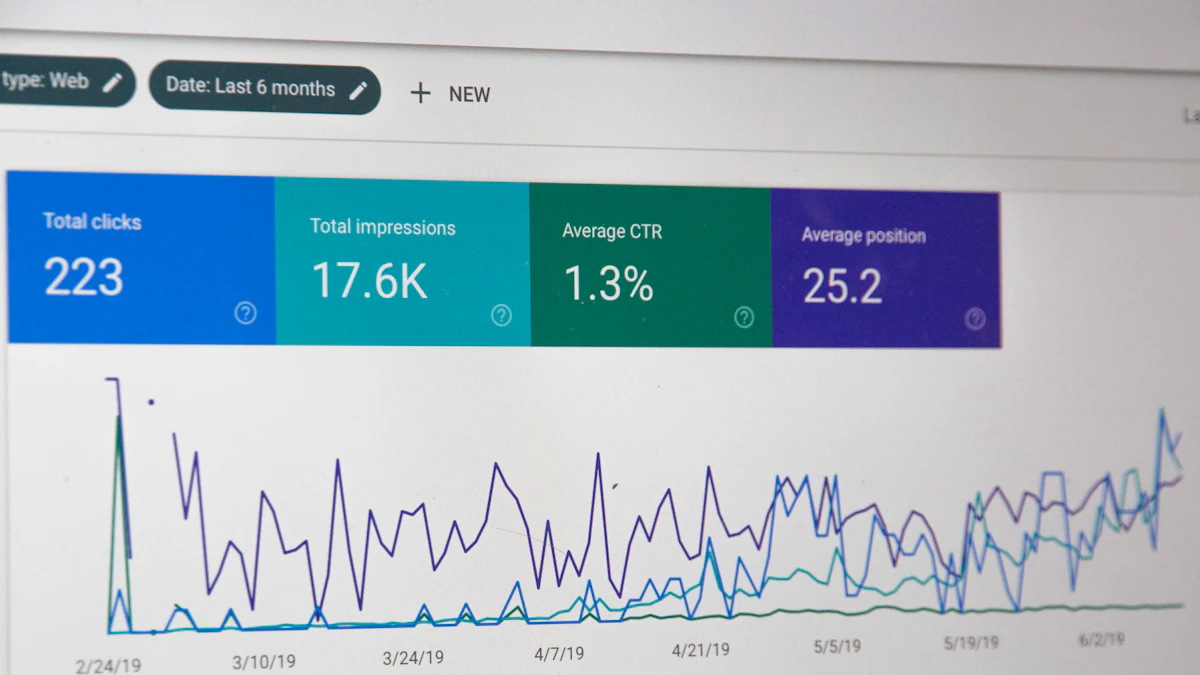
Photo by Stephen Phillips - Hostreviews.co.uk on Unsplash
Machine learning has been making waves in various industries, and web development is no exception. One of the most exciting applications of machine learning in web development is predictive web analytics and user behavior forecasting. By analyzing user data and behavior patterns, machine learning algorithms can predict how users are likely to interact with your website, helping you make data-driven decisions to improve user experience and conversion rates.
In a recent project for a cabinetry client in Atlanta, I saw firsthand how predictive analytics can inform design decisions. By analyzing user behavior and demographics, we were able to identify areas of the website that needed improvement and optimize the user journey to increase conversions.
Introduction to Predictive Web Analytics
Predictive web analytics involves using machine learning algorithms to analyze user data and predict future behavior. This can include predicting user demographics, behavior patterns, and conversion rates. By leveraging predictive analytics, businesses can gain a deeper understanding of their users and make informed decisions to improve the user experience and drive conversions.
There are several types of machine learning algorithms used in predictive web analytics, including supervised and unsupervised learning. Supervised learning involves training the algorithm on labeled data, while unsupervised learning involves training the algorithm on unlabeled data. Some common algorithms used in predictive web analytics include decision trees, random forests, and neural networks.
Types of Predictive Models
There are several types of predictive models used in web analytics, including:
- Classification models: These models predict a specific outcome, such as whether a user will convert or not.
- Regression models: These models predict a continuous outcome, such as the amount of time a user will spend on a website.
- Clustering models: These models group similar users together based on their behavior and demographics.
Benefits of Predictive Web Analytics
Predictive web analytics offers several benefits, including improved user experience, increased conversions, and better decision-making. By analyzing user behavior and demographics, businesses can identify areas of the website that need improvement and optimize the user journey to increase conversions.
One of the key benefits of predictive web analytics is its ability to help businesses personalize the user experience. By analyzing user behavior and demographics, businesses can create targeted marketing campaigns and personalized content that resonates with their users. For example, a restaurant website can use predictive analytics to offer personalized menu recommendations based on a user's dining history and preferences.
Real-World Applications
Predictive web analytics has several real-world applications, including:
- Personalization: Predictive analytics can help businesses create personalized content and marketing campaigns that resonate with their users.
- Conversion rate optimization: Predictive analytics can help businesses identify areas of the website that need improvement and optimize the user journey to increase conversions.
- User experience: Predictive analytics can help businesses identify areas of the website that need improvement and optimize the user experience to increase user engagement and retention.
Implementing Predictive Web Analytics
Implementing predictive web analytics requires a combination of data analysis, machine learning, and web development expertise. There are several tools and technologies available that can help businesses implement predictive web analytics, including Google Analytics, Adobe Analytics, and machine learning libraries such as scikit-learn and TensorFlow.
To get started with predictive web analytics, businesses should first collect and analyze user data. This can include demographic data, behavior patterns, and conversion rates. Once the data has been collected and analyzed, businesses can use machine learning algorithms to predict future behavior and identify areas of the website that need improvement.
import pandas as pd

from sklearn.ensemble import RandomForestClassifier

from sklearn.model_selection import train_test_split


data = pd.read_csv('user_data.csv')

x = data.drop('conversion', axis=1)

y = data['conversion']

x_train, x_test, y_train, y_test = train_test_split(x, y, test_size=0.2, random_state=42)

model = RandomForestClassifier(n_estimators=100, random_state=42)

model.fit(x_train, y_train)
Best Practices
There are several best practices that businesses should follow when implementing predictive web analytics, including:
- Collect and analyze high-quality data: Predictive analytics requires high-quality data to produce accurate predictions.
- Use the right machine learning algorithm: Different algorithms are suited for different types of predictions and data.
- Continuously monitor and evaluate the model: Predictive models should be continuously monitored and evaluated to ensure they remain accurate and effective.
Common Challenges and Limitations
Predictive web analytics is not without its challenges and limitations. One of the common challenges is collecting and analyzing high-quality data. Predictive analytics requires large amounts of data to produce accurate predictions, and collecting and analyzing this data can be time-consuming and resource-intensive.
Another challenge is selecting the right machine learning algorithm. Different algorithms are suited for different types of predictions and data, and selecting the wrong algorithm can lead to inaccurate predictions.
Predictive web analytics is a powerful tool that can help businesses improve the user experience and drive conversions. However, it requires careful planning, execution, and evaluation to ensure it is effective and accurate.
Conclusion
In conclusion, predictive web analytics is a powerful tool that can help businesses improve the user experience and drive conversions. By analyzing user behavior and demographics, businesses can identify areas of the website that need improvement and optimize the user journey to increase conversions. If you're interested in learning more about how predictive web analytics can help your business, contact me today to discuss your options. I'd be happy to help you get started with predictive web analytics and improve your website's performance. Check back soon for more articles on web development and design, including tips on web design across Georgia and how to create effective kitchen cabinet websites.



Comments 0
Be the first to comment.