Error Tracking and Monitoring Tools for Resilient Web Apps
Learn how to build resilient web applications with modern error tracking and monitoring tools to minimize downtime and optimize performance

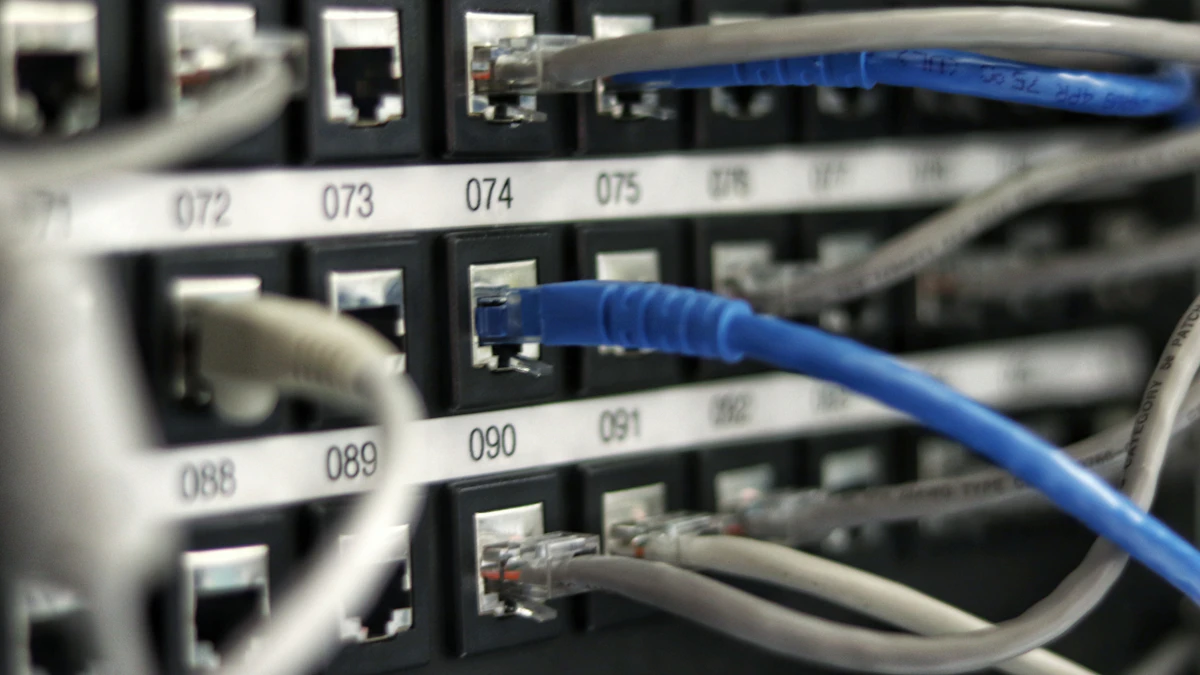
Photo by Kelli McClintock on Unsplash
As a web developer, I've seen firsthand the impact of a well-designed error tracking and monitoring system on a web application's performance and user experience. In a recent project for a cabinetry client in Atlanta, I implemented a modern error tracking tool that reduced downtime by a significant amount and improved overall system reliability. In this article, I'll discuss the importance of building resilient web applications with modern error tracking and monitoring tools.
Introduction to Error Tracking and Monitoring
Error tracking and monitoring are essential components of a resilient web application. They help identify and resolve issues before they affect users, reducing downtime and improving overall system reliability. With the rise of modern web development frameworks and libraries, it's become easier to implement error tracking and monitoring tools that provide valuable insights into application performance.
There are several types of error tracking and monitoring tools available, including server-side tools like New Relic and client-side tools like Sentry. Each tool has its strengths and weaknesses, and the choice of tool depends on the specific needs of the application and the development team.
Benefits of Modern Error Tracking and Monitoring Tools
Modern error tracking and monitoring tools offer several benefits, including real-time alerts, detailed error reports, and performance metrics. These tools help developers identify and resolve issues quickly, reducing downtime and improving overall system reliability. Additionally, they provide valuable insights into application performance, allowing developers to optimize and improve the user experience.
Some popular modern error tracking and monitoring tools include Datadog, Rollbar, and Airbrake. These tools offer a range of features, including real-time alerts, error reporting, and performance metrics. They also integrate with popular development frameworks and libraries, making it easy to implement them in existing applications.
Key Features of Modern Error Tracking and Monitoring Tools
- Real-time alerts and notifications
- Detailed error reports and performance metrics
- Integration with popular development frameworks and libraries
- Customizable dashboards and reporting
Implementing Error Tracking and Monitoring Tools
Implementing error tracking and monitoring tools is relatively straightforward, especially with the rise of modern web development frameworks and libraries. Most tools offer a simple installation process, and many integrate with popular development frameworks and libraries.
For example, to implement Sentry in a React application, you can use the following code:
import * as Sentry from '@sentry/react';
   Sentry.init({
       dsn: 'https://[email protected]/0',
       // ...
   });
This code initializes the Sentry client with a public key and configures it to send error reports to the Sentry server.
Best Practices for Error Tracking and Monitoring
There are several best practices to keep in mind when implementing error tracking and monitoring tools. First, it's essential to configure the tools to send alerts and notifications to the development team. This ensures that issues are identified and resolved quickly, reducing downtime and improving overall system reliability.
Second, it's crucial to customize the dashboards and reporting to meet the specific needs of the application and the development team. This provides valuable insights into application performance and helps developers optimize and improve the user experience.
Common Mistakes to Avoid
- Not configuring alerts and notifications
- Not customizing dashboards and reporting
- Not integrating with popular development frameworks and libraries
Conclusion and Next Steps
In conclusion, building resilient web applications with modern error tracking and monitoring tools is crucial for a seamless user experience. By implementing these tools and following best practices, developers can minimize downtime and optimize performance. If you're looking to improve the resilience of your web application, I recommend exploring modern error tracking and monitoring tools like Sentry, Datadog, and Rollbar.
If you need help implementing error tracking and monitoring tools or have questions about how to improve the resilience of your web application, don't hesitate to reach out. I'd be happy to help. Check back soon for more articles on web development and design, including tips on restaurant web design and kitchen cabinet web design.


Comments 0
Be the first to comment.