Modernize Legacy Code
Learn how to modernize legacy codebases with automated refactoring tools and best practices, and improve your website
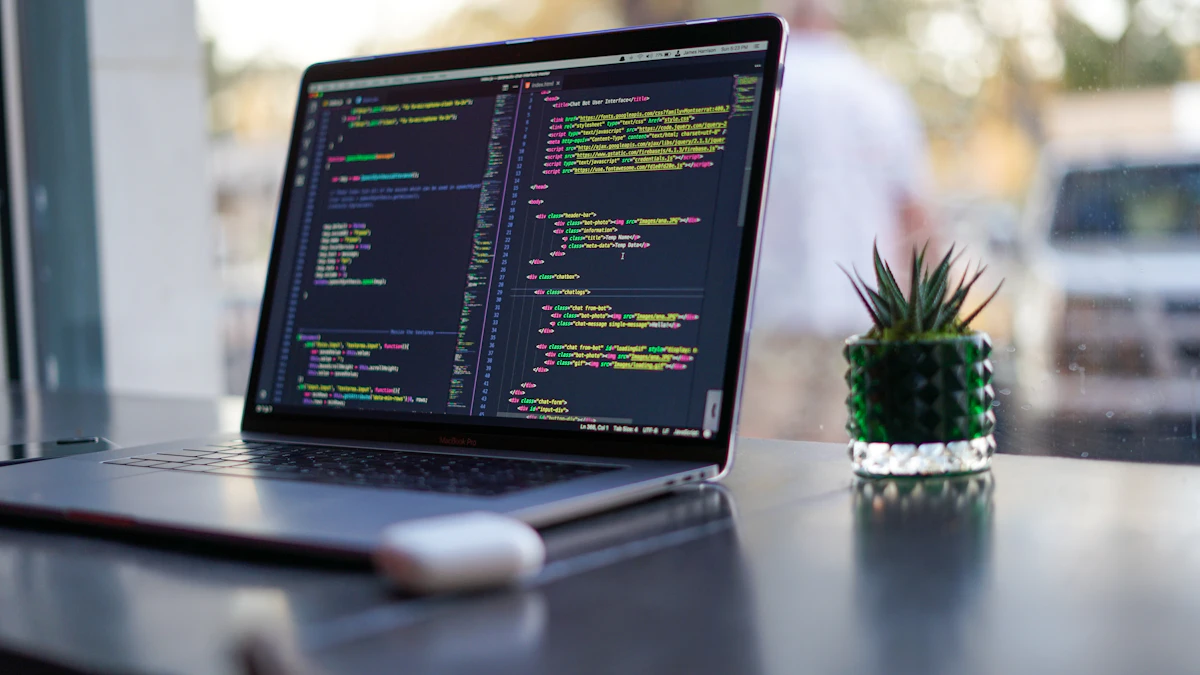
Photo by James Harrison on Unsplash
As a web designer and developer, I've worked with numerous clients in Atlanta and across Georgia who struggle with outdated and inefficient legacy codebases. In this article, I'll share my expertise on how to modernize legacy codebases with automated refactoring tools and best practices, and provide guidance on how to improve your website's performance and maintainability.
Understanding the Challenges of Legacy Code
L_legacy code can be a significant burden for any organization, as it can lead to decreased productivity, increased maintenance costs, and a higher risk of errors and security vulnerabilities. In my experience, many legacy codebases are plagued by issues such as outdated dependencies, inefficient algorithms, and poor coding practices.
For instance, I recently worked with a client in the restaurant industry who had a legacy codebase that was built using outdated technologies. The website was slow, prone to errors, and difficult to maintain. By modernizing the codebase and implementing automated refactoring tools, we were able to significantly improve the website's performance and reduce maintenance costs. You can learn more about my restaurant web design services and how I can help your business thrive online.
Common Issues with Legacy Code
- Outdated dependencies and libraries
- Inefficient algorithms and data structures
- Poor coding practices and lack of documentation
- Security vulnerabilities and lack of compliance
Automated Refactoring Tools and Best Practices
Fortunately, there are many automated refactoring tools and best practices that can help modernize legacy codebases. Some popular tools include code analysis and optimization tools like SonarQube and CodeCoverage, as well as automated refactoring tools like Resharper and CodeRush.
In addition to these tools, there are many best practices that can help improve the maintainability and performance of legacy codebases. These include practices such as continuous integration and continuous deployment (CI/CD), automated testing, and code review. By implementing these practices, organizations can ensure that their legacy codebases are more efficient, scalable, and maintainable.
// Example of automated refactoring using Resharper

public class LegacyCode {

    public void Refactor() {

        // Resharper refactoring code here

    }

}
Benefits of Automated Refactoring
Automated refactoring can have numerous benefits for organizations, including improved code quality, reduced maintenance costs, and increased productivity. By automating the refactoring process, developers can focus on higher-level tasks and improve the overall efficiency of the development workflow.
Streamlining Web Development Workflow
In addition to modernizing legacy codebases, it's also important to streamline the web development workflow. This can be achieved by implementing agile methodologies, such as Scrum or Kanban, and using tools like Jira or Trello to manage the development process.
By streamlining the web development workflow, organizations can improve the efficiency and productivity of their development teams, and reduce the risk of errors and delays. This can be especially beneficial for small businesses and startups, who often have limited resources and need to be able to respond quickly to changing market conditions.
Streamlining the web development workflow is crucial for any organization that wants to stay competitive in today's fast-paced digital landscape. By implementing agile methodologies and using the right tools, organizations can improve the efficiency and productivity of their development teams, and reduce the risk of errors and delays.
Case Study: Modernizing a Legacy Codebase
In a recent project for a kitchen cabinet company in Atlanta, I had the opportunity to modernize a legacy codebase and improve the website's performance and maintainability. The legacy codebase was built using outdated technologies and had numerous issues, including outdated dependencies, inefficient algorithms, and poor coding practices.
By using automated refactoring tools and best practices, I was able to modernize the legacy codebase and improve the website's performance and maintainability. The client was extremely satisfied with the results, and the website is now more efficient, scalable, and maintainable. You can learn more about my kitchen cabinet web design services and how I can help your business thrive online.
Results of the Case Study
The results of the case study were impressive, with a significant improvement in the website's performance and maintainability. The website is now more efficient, scalable, and maintainable, and the client is able to make updates and changes more easily.
Conclusion
In conclusion, modernizing legacy codebases with automated refactoring tools and best practices is a crucial step for any organization that wants to improve the performance and maintainability of their website. By streamlining the web development workflow and implementing agile methodologies, organizations can improve the efficiency and productivity of their development teams, and reduce the risk of errors and delays.
If you're struggling with a legacy codebase and need help modernizing it, I'd be happy to help. Please don't hesitate to contact me to discuss your project and learn more about my web design and development services in Georgia. I look forward to helping you improve your website's performance and maintainability, and I'll see you in the next article.


Comments 0
Be the first to comment.