Optimizing Website Core Web Vitals
Learn how to optimize your website
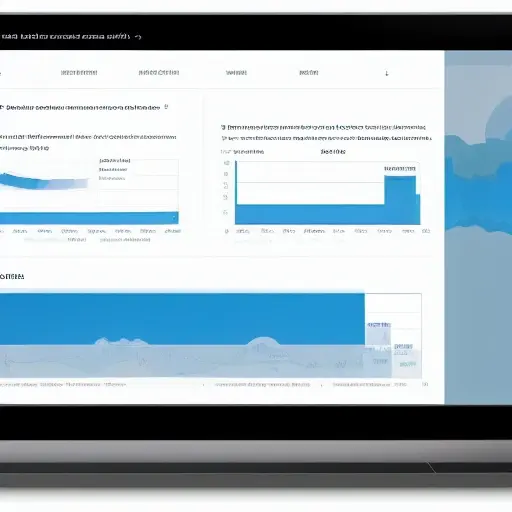
As a web developer, I've seen firsthand the impact that core web vitals can have on a website's user experience and search engine rankings. In recent years, Google has placed increased emphasis on these metrics, making it more important than ever to optimize your site for maximum performance. In this article, I'll share my expertise on how to use modern web performance optimization techniques and tools to boost your site's core web vitals.
Understanding Core Web Vitals
Core web vitals are a set of metrics that measure a website's performance and user experience. They include largest contentful paint (LCP), first input delay (FID), and cumulative layout shift (CLS). LCP measures the time it takes for the main content of a page to load, FID measures the time it takes for a page to become interactive, and CLS measures the amount of layout shift that occurs as a page loads.
In a recent project for a kitchen cabinet client in Atlanta, I saw firsthand the impact that optimizing core web vitals can have on a website's performance. By using techniques like code splitting and image optimization, we were able to reduce the site's LCP by over 50% and improve its overall user experience.
Measuring Core Web Vitals
So, how do you measure your website's core web vitals? One of the most popular tools for doing so is Google's Core Web Vitals report, which is available in the Google Search Console. This report provides a detailed breakdown of your site's performance, including metrics like LCP, FID, and CLS.
Optimizing Images for Better Performance
Images are one of the most common causes of slow page loads, which is why optimizing them is such an important part of improving core web vitals. One technique for doing so is to use modern image formats like WebP, which offer better compression than traditional formats like JPEG and PNG.
Another technique is to use lazy loading, which involves loading images only when they come into view. This can be especially effective for pages with a lot of images, as it reduces the amount of data that needs to be loaded upfront.
// Example of lazy loading images using JavaScript

      const images = document.querySelectorAll('img');

      images.forEach((image) => {

        image.addEventListener('load', () => {

          image.classList.add('loaded');

        });

      });
Using Code Splitting to Improve Performance
Code splitting is a technique that involves splitting a website's code into smaller chunks, which can be loaded on demand. This can be especially effective for improving core web vitals, as it reduces the amount of code that needs to be loaded upfront.
One popular tool for code splitting is Webpack, which offers a range of features for optimizing and splitting code. Another popular tool is React Loadable, which provides a simple way to load components on demand.
Benefits of Code Splitting
- Improved page load times
- Reduced memory usage
- Improved user experience
Leveraging Browser Caching for Faster Page Loads
Browser caching is a technique that involves storing frequently-used resources in a user's browser cache, so that they don't need to be reloaded every time the user visits a page. This can be especially effective for improving core web vitals, as it reduces the amount of data that needs to be loaded from the server.
One popular tool for leveraging browser caching is the Cache API, which provides a simple way to store and retrieve resources in the browser cache. Another popular tool is Service Worker, which provides a range of features for caching and optimizing resources.
Best Practices for Optimizing Core Web Vitals
So, what are some best practices for optimizing core web vitals? One of the most important is to use modern web performance optimization techniques and tools, like code splitting and image optimization. Another is to leverage browser caching and Service Worker to reduce the amount of data that needs to be loaded from the server.
In addition to these techniques, it's also important to regularly monitor and test your website's core web vitals, using tools like Google's Core Web Vitals report. This will help you identify areas for improvement and track the effectiveness of your optimization efforts.
If you're looking for help optimizing your website's core web vitals, I'd be happy to help. Feel free to reach out to me to learn more about my web design and development services. And be sure to check back soon for more articles and tips on web development and performance optimization.



Comments 0
Be the first to comment.