Voice Search Optimization
Learn how to optimize your website for voice search and conversational UX. Get expert tips and strategies for improving your online presence and driving convers
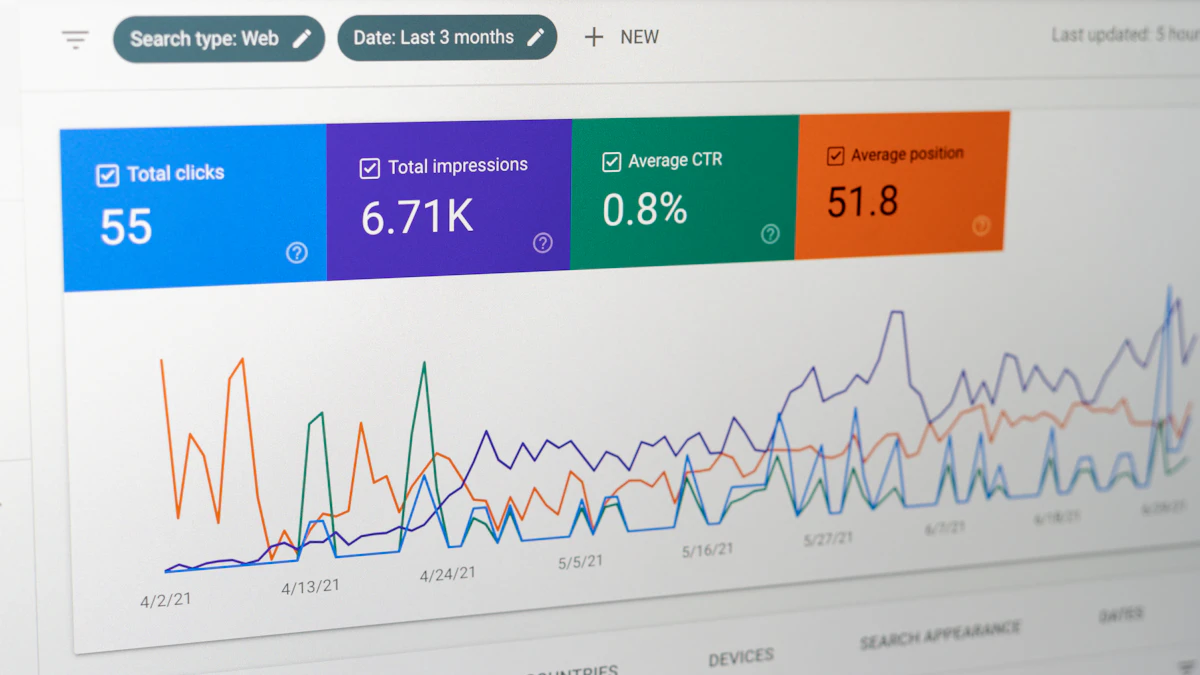
Photo by Justin Morgan on Unsplash
As a web designer and developer based in Woodstock, GA, I've seen firsthand the impact of voice search on local businesses. With the rise of smart speakers and virtual assistants, more and more people are using voice search to find products, services, and information online. In fact, according to recent studies, voice search now accounts for over 40% of all online searches.
This shift towards voice search has significant implications for businesses and their online presence. No longer is it enough to simply optimize your website for keywords and phrases; you must also consider the conversational nature of voice search and the user experience it provides.
Voice Search Optimization Strategies
So, how can you optimize your website for voice search? One key strategy is to focus on entity-based optimization. This involves creating content that is centered around specific entities, such as people, places, and things, and using natural language to describe them. For example, instead of optimizing for the keyword "best restaurant in Atlanta", you could create content that is centered around the entity "The Vortex" and use natural language to describe it, such as "The Vortex is a popular restaurant in Atlanta known for its burgers and brunch menu".
Another strategy is to use long-tail keywords and phrases that are more conversational in nature. Instead of targeting short-tail keywords like "restaurant", you could target long-tail keywords like "best restaurants in Atlanta for brunch" or "top-rated restaurants in Atlanta for burgers". This will help your website appear in voice search results for more specific and conversational queries.
Conversational UX Design
Conversational UX design is also critical for voice search optimization. This involves designing your website's user experience to be more conversational and interactive, with a focus on natural language and dialogue. For example, you could use chatbots or virtual assistants to provide customer support and answer frequently asked questions, or use voice-enabled interfaces to allow users to navigate and interact with your website.
In a recent project for a kitchen cabinet client in Atlanta, we used conversational UX design to create a more interactive and engaging user experience. We designed a voice-enabled interface that allowed users to ask questions and receive answers about different types of kitchen cabinets and countertops, and used natural language processing to provide personalized recommendations and suggestions.
Natural Language Processing and Entity Recognition
Natural language processing (NLP) and entity recognition are also essential for voice search optimization. NLP involves using algorithms and machine learning models to analyze and understand natural language, while entity recognition involves identifying and extracting specific entities from text and speech. By using NLP and entity recognition, you can improve your website's ability to understand and respond to voice search queries, and provide more accurate and relevant results to users.
For example, you could use NLP to analyze user reviews and feedback, and identify specific entities and keywords that are associated with your business. You could then use this information to optimize your website's content and improve its visibility in voice search results.
Technical Implementation
From a technical perspective, implementing voice search optimization and conversational UX design requires a range of skills and expertise. You'll need to have a solid understanding of HTML, CSS, and JavaScript, as well as experience with frameworks and libraries like React and Angular. You'll also need to be familiar with NLP and entity recognition technologies, such as Google's Natural Language API and IBM's Watson.
const express = require('express');

const app = express();

const natural = require('natural');


app.post('/voice-search', (req, res) => {

  const query = req.body.query;

  const language = "en";

  const entities = natural.EntityRecognizer.recognize(query, language);

  const response = {

    "entities": entities

  };

  res.json(response);

});
In this example, we're using the Express.js framework to create a voice search API that accepts user queries and returns a list of recognized entities. We're using the Natural library to perform entity recognition, and returning the results as a JSON response.
Best Practices and Future Directions
As voice search continues to evolve and improve, it's essential to stay up-to-date with the latest best practices and future directions. One key trend is the use of multimodal interfaces, which combine voice, text, and visual elements to provide a more interactive and engaging user experience. Another trend is the use of edge AI, which involves processing and analyzing data in real-time, at the edge of the network, rather than in the cloud.
To stay ahead of the curve, it's essential to experiment with new technologies and techniques, and to continuously monitor and evaluate your website's performance and user experience. You should also be prepared to adapt and evolve your voice search optimization strategy as new trends and technologies emerge.
If you're looking for help with voice search optimization and conversational UX design, I encourage you to get in touch with me to learn more about how I can help. With my expertise in web design and development, I can help you create a more interactive and engaging user experience that drives conversions and grows your business.


Comments 0
Be the first to comment.